Business Name: FootPrints Home Care
Address: 4811 Hardware Dr NE d1, Albuquerque, NM 87109
Phone: (505) 828-3918
FootPrints Home Care
FootPrints Home Care offers in-home senior care including assistance with activities of daily living, meal preparation and light housekeeping, companion care and more. We offer a no-charge in-home assessment to design care for the client to age in place. FootPrints offers senior home care in the greater Albuquerque region as well as the Santa Fe/Los Alamos area.
4811 Hardware Dr NE d1, Albuquerque, NM 87109
Business Hours
Monday thru Sunday: 24 Hours
Facebook: https://www.facebook.com/FootPrintsHomeCare/
Instagram: https://www.instagram.com/footprintshomecare/
LinkedIn: https://www.linkedin.com/company/footprints-home-care
Families typically don't wake up one morning and choose in between home care service and assisted living over coffee. The option constructs over months, sometimes years, as little modifications begin to accumulate. A missed out on medication here, a small fall there, meals getting easier and less frequent, laundry accumulating. If you're weighing in-home care versus a relocate to a neighborhood, you're not simply looking for services. You're asking what type of life your parent or partner can still enjoy, what you can pay for, and how you'll handle the surprises that undoubtedly come with aging.
I have actually sat at a lot of cooking area tables for these conversations. The very best answers look beyond quick comparisons and get into the specifics of somebody's day. The real question isn't which alternative is "much better." It's which option fits the individual's requirements, preferences, and spending plan right now, and which plan leaves space for modifications later.
What changes set off the decision
Sometimes the choice follows an occasion, like a hospitalization after a fall or an infection. Regularly it's a pattern you can't overlook. A daughter notifications her mom's fridge has actually expired food, or a next-door neighbor calls because the pet dog hasn't been walked. Warning are subtle at first, then apparent: medications skipped, unusual swellings, unopened mail, costs overdue, confusion about appointments, anxiety after dark.
When you see those indications, take a breath. Before you think about contracts or tours, spend a week tracking what the individual in fact requires help with. Count minutes, not presumptions. Does it take 20 minutes or 90 to shower securely? The length of time to prep a meal, then tidy up? Exist hands-on tasks, like transfers from bed to chair, or primarily cueing and friendship? Little information, like whether someone wakes numerous times at night, can alter the entire calculus of home care versus assisted living.
The core distinction in between home care and assisted living
At its easiest: in-home senior care brings assistance to the person where they live, while assisted living supplies an apartment or condo or suite with integrated support services. Both objective to preserve self-respect and independence. They just arrange the scaffolding differently.
Senior home care, also called a home care service or private-duty care, focuses on non-medical support. A senior caregiver can assist with bathing, dressing, toileting, walking, meals, light housekeeping, errands, and companionship. Some companies likewise provide specialized dementia care or post-hospital assistance. Care is billed by the hour, generally with an everyday or weekly minimum.
Assisted living integrates housing, meals, housekeeping, social activities, and on-site personnel who can help with personal care. Lots of communities utilize a tiered rates design: base rent plus a care level depending on just how much hands-on aid someone requirements. Memory care is frequently housed in a different, secured location with higher staffing and included structure.
Both settings vary widely in quality and expense. That's not a dodge, it's the truthful truth. A strong agency with a constant caregiver can feel like a lifeline. A thoughtful assisted living community with attentive staff can feel like a safeguard and a neighborhood rolled into one. The reverse is likewise true.
Costs you can actually utilize for planning
You'll see nationwide averages for rates, however they hide local realities. In lots of city locations, hourly rates for in-home care run from the mid 20s to the mid 40s per hour depending on the market, firm, and skills required. Four hours per day, five days each week, at 30 dollars per hour exercises to about 2,400 to 2,600 dollars per month. Bump that to eight hours a day, 7 days each week, and you're at 6,700 to 8,400 dollars. Twenty-four-hour care with turning caretakers often exceeds the cost of assisted living, and real live-in arrangements have separate guidelines and pricing.
Assisted living is https://tysonjxja569.yousher.com/home-care-service-or-assisted-living-balancing-budget-and-care-needs generally priced regular monthly. In lots of areas, base rates range from 3,000 to 7,000 dollars monthly. Care levels add to that. If someone needs assist with several activities of daily living, the total can land between 4,500 and 8,500 dollars, in some cases more in high-cost cities or in memory care systems. There can be one-time community fees, normally a few thousand dollars. Medication management may bring extra charges. Short-stay respite rates are typically greater per day.
So which is more cost-effective? It depends less on the sticker and more on the care pattern. An individual who needs two hours in the morning and an hour in the evening might spend far less for elderly home care than for a community home. However if nights are uneasy or help is required throughout ten or more hours each day, a well-matched assisted living can provide more foreseeable support at a lower overall cost.
A day-in-the-life comparison
Picture Mary, 82, who has arthritis, moderate memory loss, and moves gradually however progressively. She wishes to remain in the house she's lived in for 45 years. Her daughter lives 40 minutes away and visits on weekends. Mary requires aid bathing twice a week, getting compression socks on each early morning, preparing breakfast and one hot meal, handling medications, and keeping your home fairly neat. She sleeps through the night, and she enjoys her afternoon TV shows and a crossword.
For Mary, in-home care fits well. A caretaker comes four mornings a week for three hours: early morning hygiene, breakfast and lunch prep, medication setup, plus laundry on one day and a light tidy another. A second short shift twice a week covers showering. Mary pays for 14 hours each week. She keeps her routines, her garden, her neighbors. The child's weekends are for going to, not scrubbing floorings. Budget-wise, this is typically substantially listed below the monthly rate for assisted living.
Now think about Leon, 87, who has progressed Alzheimer's. He roams. He's up multiple times during the night and gets upset in the late afternoon. He requires consistent cueing for toileting and safety. His better half is 83 and has a bad back. They attempted bringing in a senior caregiver for six-hour portions, however the afternoons remain challenging, and nights are tiring for his spouse. To cover the true need at home, they 'd need caretakers throughout the afternoon, night, and part of the night, with a second caretaker for some transfers. The month-to-month figure begins to rival high-end assisted living, and the stress on his better half stays high throughout uncovered hours. In a good memory care system, Leon has actually structured days, protected doors, calming activities, and staff present all the time, which protects both spouses' health and finances.
The "concealed" costs and concealed savings
Both choices carry expenses that do not appear on a rate sheet. Home care frequently requires home modifications or devices. Installing grab bars, a second stair rail, enhanced lighting, a portable shower head, and non-slip floor covering isn't excessive but adds up. More considerable changes, like a roll-in shower or a stair lift, raise the initial expense. Groceries, energy bills, property taxes, repairs, and yardwork continue. If member of the family fill gaps, their time and missed work days have a cost too, even if it never ever gets printed on an invoice.
Assisted living bundles many of those costs. Meals, weekly house cleaning, laundry, and activities are consisted of. Transportation to regional consultations may be offered on particular days. A 24-hour staff presence supplies real value when requires change. That stated, moving costs money and energy. Downsizing furniture, selling a home or paying ongoing lease, and buying new linens, Televisions, or cable service develop a one-time flurry of costs and a wave of choices that can be mentally taxing.
One quiet savings with in-home senior care: when care needs are light and predictable, you control the schedule. If the person goes to adult day programs two times a week, you can trim paid hours. If a neighbor provides a hot supper every Friday, you can minimize meal-prep time. Versatility equates to monetary performance, but it needs coordination and consistency.
Safety, dignity, and the reality of risk
Risk tolerance differs from family to family. Some prioritize safety above all. Others are willing to accept sensible danger to maintain independence and identity. Home care can offer tailored routines and the convenience of familiar environments, which frequently decreases agitation and confusion for those with early dementia. Yet home designs can be unforgiving: narrow bathrooms, slippery tubs, throw rugs, actions at entries. A fall isn't simply a scare, it can derail everything.
Assisted living minimizes some dangers. Showers are usually developed for availability. Pull cords, personal emergency response systems, and regular staff existence reduce action times. Still, personnel are not at the elbow every minute. If someone needs individually attention for extended durations, either care costs rise within the community or a personal caregiver supplements, which surprises households who expected "all-inclusive."
From experience, the sweet area is matching environment to the most regular risk. If the primary threat is without supervision night roaming, a memory care community tightens that danger one of the most. If the huge risk is daytime falls throughout transfers and bathing, and the person sleeps comfortably at night, a targeted home care schedule might be more secure than a relocation, especially if the restroom is redesigned for accessibility.
Social life and the human factor
People do not thrive on safety alone. They need purpose, familiar rhythms, and a little bit of happiness. At home, social life needs deliberate effort. Without it, isolation sneaks in. I have actually seen senior citizens go days with just a TV for business except for a caregiver's short visit. On the other hand, I have actually also seen home regimens where the mail provider chats, the next-door neighbor drops by with tomatoes, and the senior caretaker is virtually extended household. Some customers teach their caregiver a household recipe or garden together on Tuesdays. That kind of sustained, individual connection is hard to price. It's real and it matters.
Assisted living builds social opportunity into the day: coffee meetups, exercise classes, music hours, bingo, restaurant-style dining. For extroverts or those who have actually lost their area network, the result is significant. I've watched citizens who hardly consumed at home put on weight, support their mood, and gain back a sense of routine because lunch has a time and a table of regulars. The caution is healthy. If someone dislikes group activities or if the community's culture does not resonate, the social guarantee ends up being background sound. Visit at mealtime and throughout activities to assess the feel.
Staff consistency and care quality
In-home care provides you the possibility to develop a consistent relationship with a caretaker. Continuity is a big advantage for seniors with cognitive modifications. Nevertheless, firms manage staffing, ill days, and turnover. Ask how they deal with call-outs and whether you can fulfill backups in advance. Clarify training for dementia, transfers, and infection control. If you employ independently rather than through a company, you manage choice and expense however handle payroll, taxes, backups, and liability. Households often underestimate that workload.
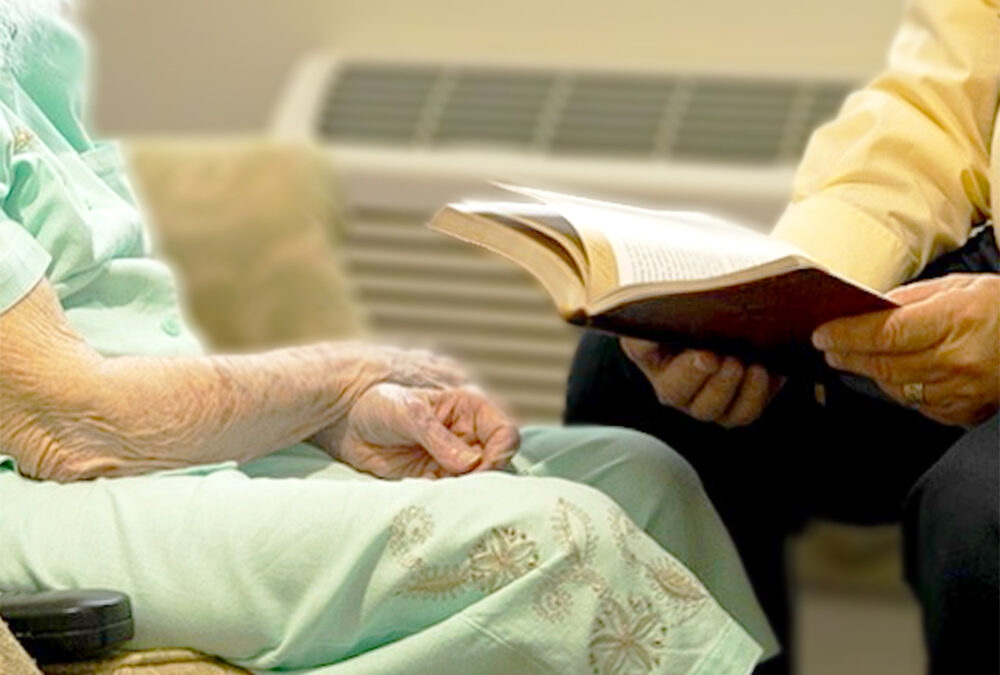
Assisted living personnel rotate, and care is delivered by whoever is on shift. That can indicate less consistency, but it also implies you're not scrambling when somebody is ill. The key quality questions shift to staffing ratios, training, call-bell action times, and how the neighborhood handles behaviors, falls, and health center shifts. Follow a cart down a hall at a calm time and at a hectic time, and you'll find out a lot.
Health intricacy and what happens when requires increase
Many people start with home care and transfer to assisted living or memory care later. Others spend years in a community, then bring in extra assistance as requirements grow out of the consisted of services. There's no single right sequence.
If health is steady and needs are mainly predictable, elderly home care provides the most tailored experience and control over cost. If health is volatile, with regular infections, hospitalizations, or habits changes, a community setting with 24-hour oversight frequently avoids crises from developing into emergencies. What matters is whether the present setup can soak up two or three bad days without collapsing. Ask yourself, if the individual gets the flu, has a bout of delirium, or loses strength after a fall, does the present strategy bend or break?
A little note on treatment: standard in-home care and assisted living offer non-medical assistance. Competent nursing, wound care, and IV treatments are different services, sometimes generated through home health or provided in higher-acuity centers. Don't assume an assisted living can handle complex medical requirements without included services, and don't assume home care can cover knowledgeable tasks unless particularly arranged.
The emotional piece families seldom budget plan for
Care choices carry sorrow, regret, and old household characteristics. The moms and dad might have strong feelings about staying home. Adult kids may have various views, formed by how much hands-on assistance they can offer. It prevails for brother or sisters to disagree about danger or spending plan. Naming these undercurrents helps. I typically suggest one short family meeting focused on the person's worths, then a 2nd on logistics. Values first keeps the choice aligned with the life the individual really wants.
An easy values work out assists when options are close. Ask the person: What parts of your day matter most? Which losses feel inappropriate, and which compromises feel tolerable? Oversleeping your own bed may outrank having meals prepared in a dining room. Or the opposite. This isn't abstract. It guides genuine decisions, like paying for a caretaker to aid with a treasured morning regimen rather than pressing a move solely since it appears "much easier."
Paying for care without hindering the future
Most in-home care and assisted living expenses are personal pay. Long-term care insurance coverage can assist if the policy is active and the advantage triggers are satisfied, typically based upon requiring help with a minimum of two activities of daily living or having cognitive problems. Veterans and surviving spouses might qualify for a pension supplement, frequently called Help and Attendance, which can balance out a portion of month-to-month expenses. Medicaid programs vary commonly by state; some provide home- and community-based services waivers or protection for certain assisted living costs, often with waitlists and earnings or property limits.
Practical budgeting actions matter. Clarify regular monthly income from Social Security, pensions, and financial investments. List present home expenses that will continue or vanish with each alternative. Account for the practical number of care hours needed, not the bare minimum. Keep in mind transport, products, incontinence items, and medications. Prepare for increases. Care requires hardly ever remain flat over a year.
How to evaluate the waters without devoting too soon
You do not have to choose at last. Attempt a pilot. Start with a minimal home care schedule and a plainly defined plan: morning assistance 4 days a week for three weeks, then reassess. Keep notes on what works and what doesn't. If the plan fails by midweek, that's useful information. Adjust hours, jobs, or caregiver fit.
On the assisted living side, lots of neighborhoods offer respite stays from a week to a month. Treat it as a trial. See if sleep improves, if appetite returns, if state of mind stabilizes. Ask staff for their observations, not just your own impressions throughout visits. A short stay clarifies whether the environment matches the individual's rhythms.
When assisted living is the more secure bet
The line between maintaining independence and courting threat looks different for each household, however there are some patterns where a relocation generally serves the person better:
- Regular night wandering or frequent nighttime needs that would require more than one caretaker or would exhaust a partner at home. Repeated falls, especially with injuries, in a home that can't be fairly customized for safety. Escalating dementia behaviors like exit looking for, paranoia, or rejection of care that benefit from consistent, team-based methods and protected environments.
These aren't rules, simply strong signals. If two or 3 exist, home care rapidly becomes either very costly, very piecemeal, or really demanding for the family.
When home care stays the much better fit
Home remains perfect when the individual's needs are relatively light, their environment is safe or can be made so without major restoration, and they derive day-to-day comfort from familiar environments and routines. Someone who delights in sluggish mornings with a paper, who sleeps well, and who needs aid primarily with bathing, tasks, and meals will often thrive with a consistent senior caretaker. For individuals with sensory level of sensitivities or anxiety in group settings, the calm of home beats the bustle of a neighborhood. It can likewise be the gentler choice for a spouse who wishes to stay together without carrying the whole care burden.
Making either course work better
Whatever you select, the details determine success. If you go with in-home care, build a care strategy that appreciates the person's habits. Location medications where they'll naturally be taken. Connect care jobs to existing routines instead of imposing a new schedule. Purchase small safety upgrades that avoid typical accidents: brighter corridor bulbs, a walker basket so hands remain complimentary, a strong shower chair. Develop a simple notebook or app log so family and caregiver can coordinate.
If you choose assisted living, supporter throughout the first month. Share the individual's life story and everyday choices with personnel, not simply case history. Visit at various times of day to see how the rhythm feels. Observe how rapidly call lights are responded to and whether staff understand locals by name. If something isn't working, raise it early, and provide it two weeks to change. Lots of bumps ravel as soon as staff learn the person's routines.
The hybrid, typically overlooked path
A move doesn't end the discussion, and staying at home does not lock you into a single model. Numerous families blend choices. A person might attend adult day programs 3 days a week, with home care on 2 early mornings and family covering weekends. In assisted living, families often generate a senior caregiver for two hours throughout the harder times of day, typically late afternoon, to alleviate shifts and decrease sundowning stress and anxiety. This targeted support keeps expenses manageable while improving quality of life.
Two fast tools for clarity
You can get lost in what-ifs. Bring it back to 2 grounded tools.
- A care map of the week. Sketch Monday to Sunday and mark every hour that needs coverage, consisting of nights. Then place names or services next to each block. The empty blocks and double-booked stretches inform you where tension will reveal up. A 90-day horizon. Ask what's most likely to change over the next 3 months. A planned surgical treatment, a seasonal depression pattern, a child's short-term travel, a winter season fall threat. Plan for that particular horizon, not forever, then revisit.
A last word on dignity and control
The objective isn't to stretch dollars at the expenditure of wellness, or to buy every service in sight. It's to match assistance to the person so their good hours stay good, and their tough hours do not swallow the day. When you focus on the reality of requirements, the worths of the person, and the pressure points in the schedule, the decision in between home care service and assisted living gets clearer. It may still be hard. That's typical. The ideal option is the one that leaves the individual much safer and more themselves, and leaves the household able to sustain the care without burning out.
If you are still in between options, try a small experiment next week. One much shorter home care shift at the time of day that feels hardest, and one assisted living tour during a mealtime. Enjoy, listen, and take notes. The better course frequently exposes itself in the details you only observe when reality is happening.
FootPrints Home Care is a Home Care Agency
FootPrints Home Care provides In-Home Care Services
FootPrints Home Care serves Seniors and Adults Requiring Assistance
FootPrints Home Care offers Companionship Care
FootPrints Home Care offers Personal Care Support
FootPrints Home Care provides In-Home Alzheimer’s and Dementia Care
FootPrints Home Care focuses on Maintaining Client Independence at Home
FootPrints Home Care employs Professional Caregivers
FootPrints Home Care operates in Albuquerque, NM
FootPrints Home Care prioritizes Customized Care Plans for Each Client
FootPrints Home Care provides 24-Hour In-Home Support
FootPrints Home Care assists with Activities of Daily Living (ADLs)
FootPrints Home Care supports Medication Reminders and Monitoring
FootPrints Home Care delivers Respite Care for Family Caregivers
FootPrints Home Care ensures Safety and Comfort Within the Home
FootPrints Home Care coordinates with Family Members and Healthcare Providers
FootPrints Home Care offers Housekeeping and Homemaker Services
FootPrints Home Care specializes in Non-Medical Care for Aging Adults
FootPrints Home Care maintains Flexible Scheduling and Care Plan Options
FootPrints Home Care is guided by Faith-Based Principles of Compassion and Service
FootPrints Home Care has a phone number of (505) 828-3918
FootPrints Home Care has an address of 4811 Hardware Dr NE d1, Albuquerque, NM 87109
FootPrints Home Care has a website https://footprintshomecare.com/
FootPrints Home Care has Google Maps listing https://maps.app.goo.gl/QobiEduAt9WFiA4e6
FootPrints Home Care has Facebook page https://www.facebook.com/FootPrintsHomeCare/
FootPrints Home Care has Instagram https://www.instagram.com/footprintshomecare/
FootPrints Home Care has LinkedIn https://www.linkedin.com/company/footprints-home-care
FootPrints Home Care won Top Work Places 2023-2024
FootPrints Home Care earned Best of Home Care 2025
FootPrints Home Care won Best Places to Work 2019
People Also Ask about FootPrints Home Care
What services does FootPrints Home Care provide?
FootPrints Home Care offers non-medical, in-home support for seniors and adults who wish to remain independent at home. Services include companionship, personal care, mobility assistance, housekeeping, meal preparation, respite care, dementia care, and help with activities of daily living (ADLs). Care plans are personalized to match each client’s needs, preferences, and daily routines.
How does FootPrints Home Care create personalized care plans?
Each care plan begins with a free in-home assessment, where FootPrints Home Care evaluates the client’s physical needs, home environment, routines, and family goals. From there, a customized plan is created covering daily tasks, safety considerations, caregiver scheduling, and long-term wellness needs. Plans are reviewed regularly and adjusted as care needs change.
Are your caregivers trained and background-checked?
Yes. All FootPrints Home Care caregivers undergo extensive background checks, reference verification, and professional screening before being hired. Caregivers are trained in senior support, dementia care techniques, communication, safety practices, and hands-on care. Ongoing training ensures that clients receive safe, compassionate, and professional support.
Can FootPrints Home Care provide care for clients with Alzheimer’s or dementia?
Absolutely. FootPrints Home Care offers specialized Alzheimer’s and dementia care designed to support cognitive changes, reduce anxiety, maintain routines, and create a safe home environment. Caregivers are trained in memory-care best practices, redirection techniques, communication strategies, and behavior support.
What areas does FootPrints Home Care serve?
FootPrints Home Care proudly serves Albuquerque New Mexico and surrounding communities, offering dependable, local in-home care to seniors and adults in need of extra daily support. If you’re unsure whether your home is within the service area, FootPrints Home Care can confirm coverage and help arrange the right care solution.
Where is FootPrints Home Care located?
FootPrints Home Care is conveniently located at 4811 Hardware Dr NE d1, Albuquerque, NM 87109. You can easily find directions on Google Maps or call at (505) 828-3918 24-hoursa day, Monday through Sunday
How can I contact FootPrints Home Care?
You can contact FootPrints Home Care by phone at: (505) 828-3918, visit their website at https://footprintshomecare.com, or connect on social media via Facebook, Instagram & LinkedIn
Conveniently located near Cinemark Century Rio Plex 24 and XD, seniors love to catch a movie with their caregivers.